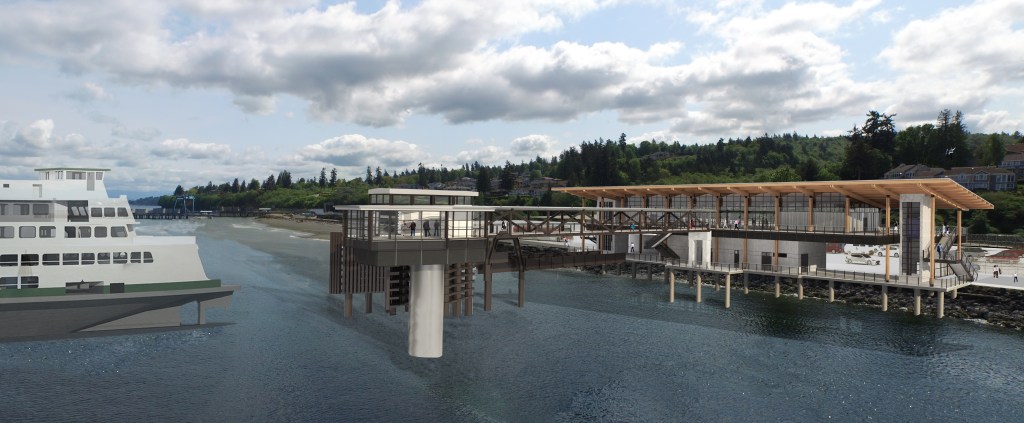
LMN Architects, 2016-2017
Project Status: Completed 2020
Delivery Method: Design-Bid-Build
Click for construction progress photos
Click for article from The Architect’s Newspaper
Experience
Project Phases: Schematic Design, Design Development, 90% Construction Documents
Responsibilities: Joined team during second Schematic Design phase, after the project had been on-hold for several months. A number of substantial changes were made during the redesign. I was involved in all aspects of the project through the end of Construction Documents, including concept development, technical consultant coordination, and drawing production.
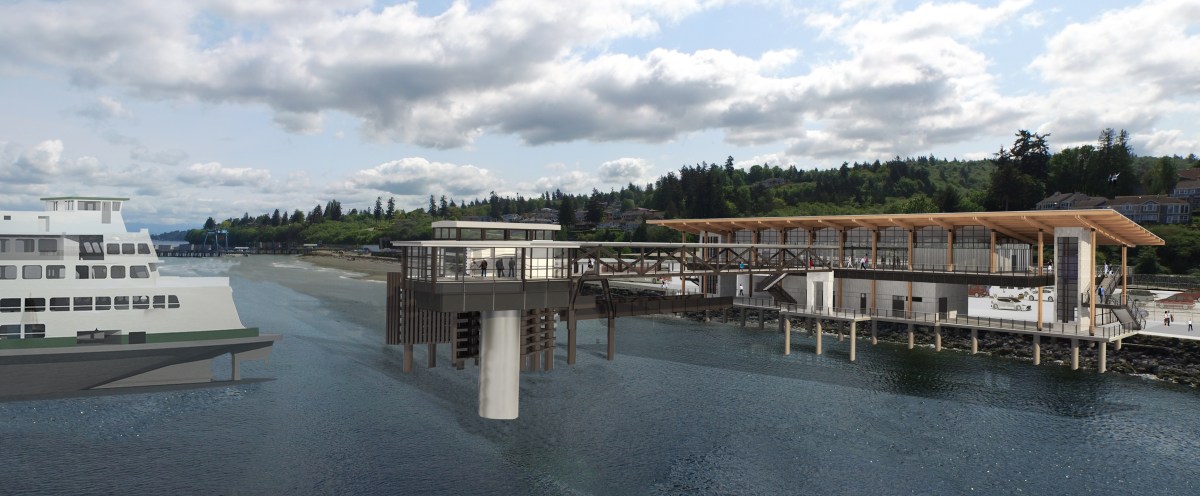
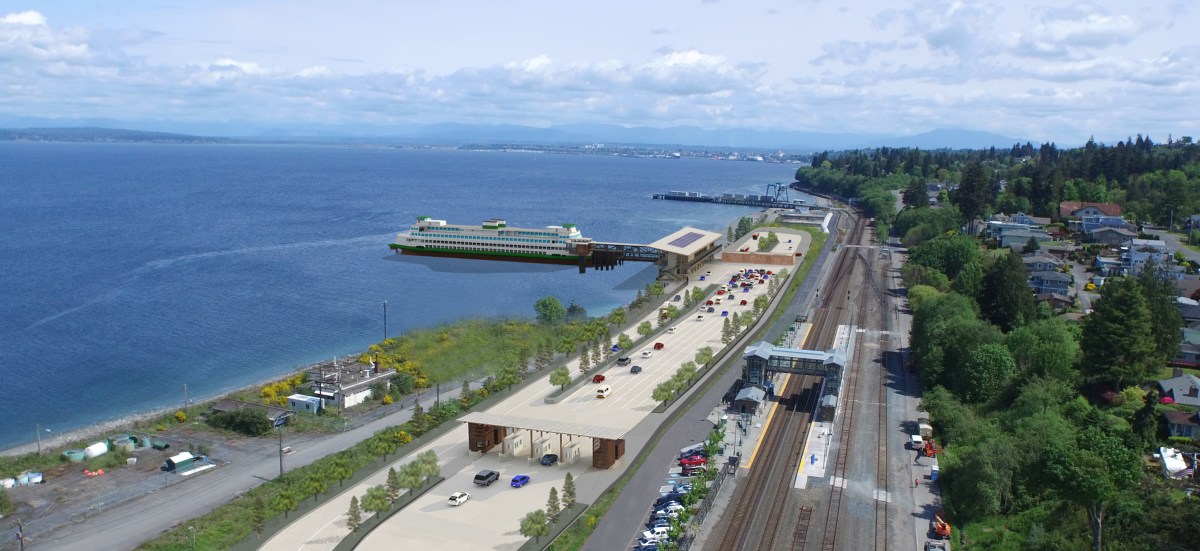
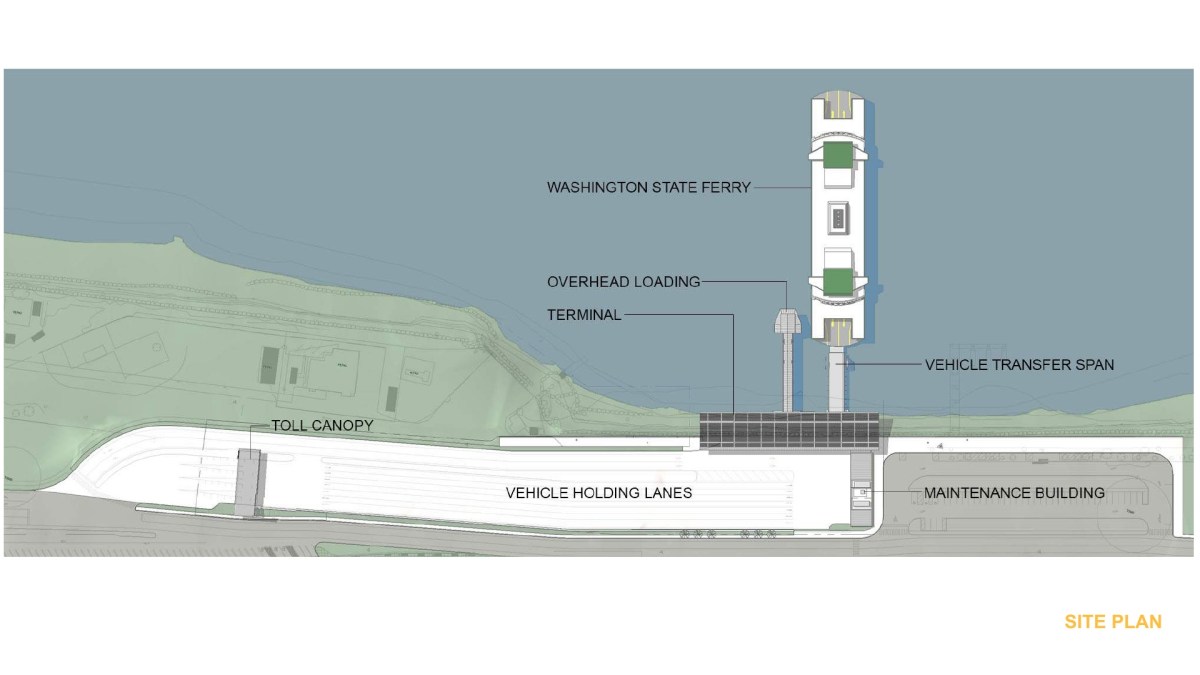
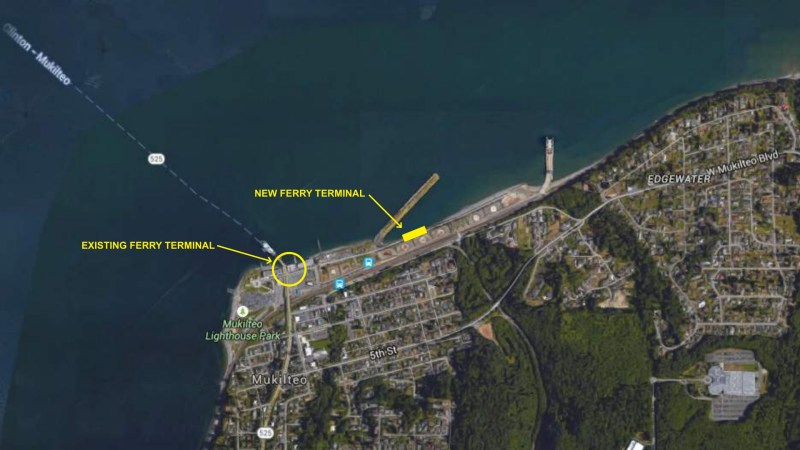
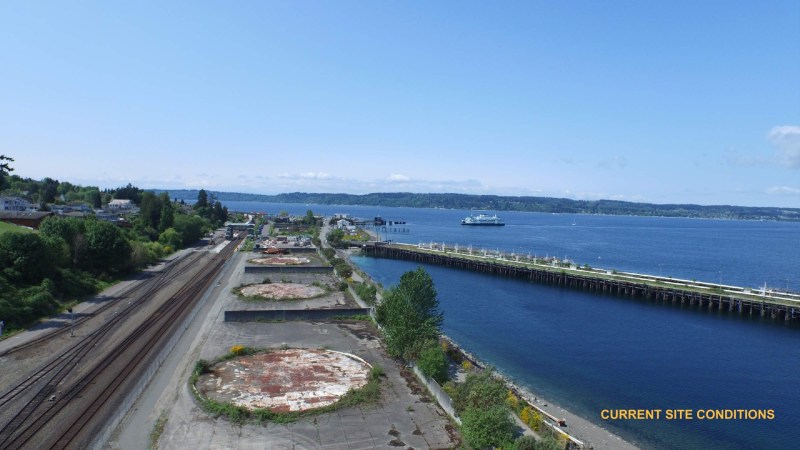
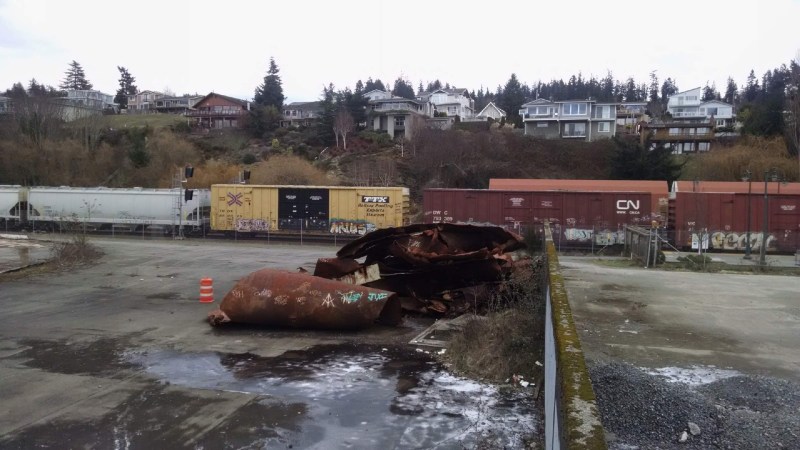
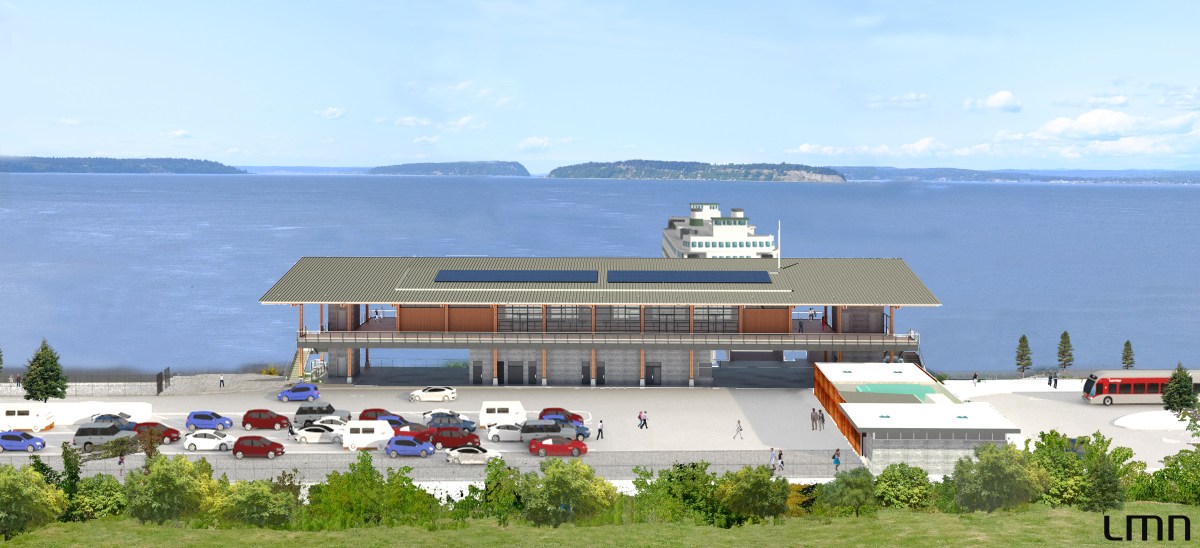
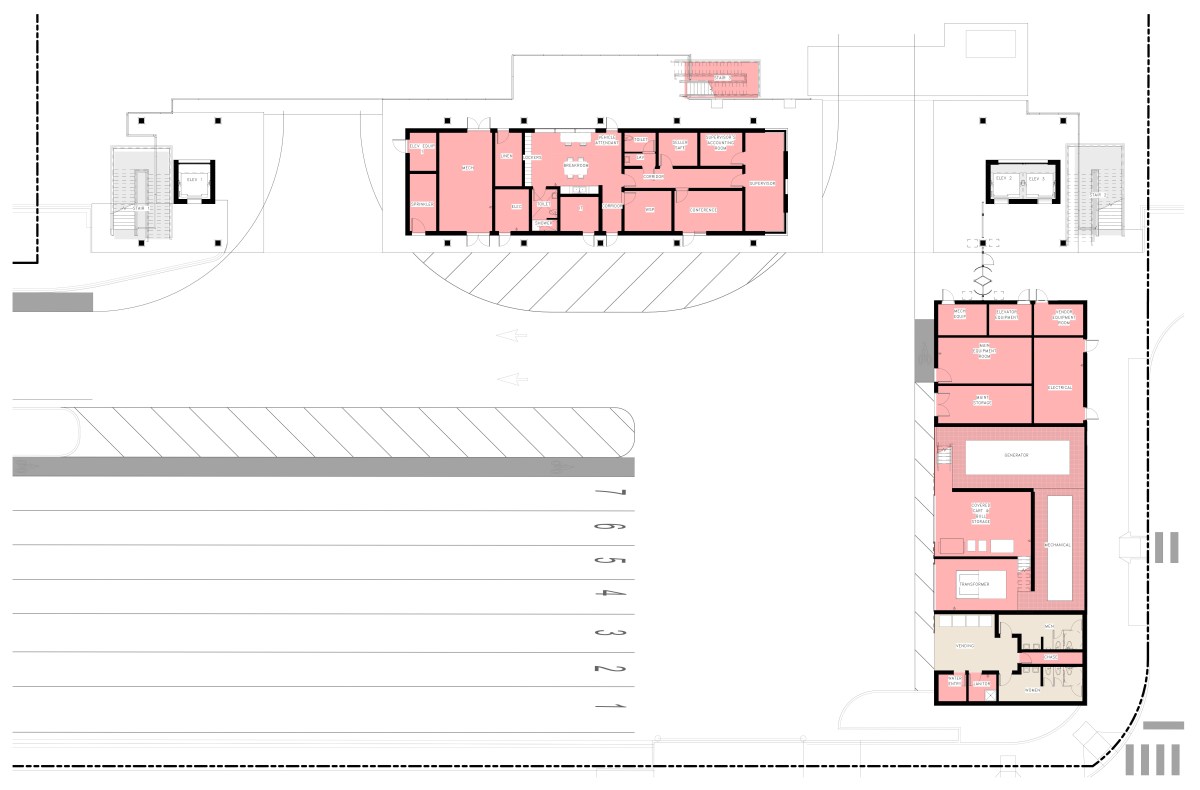
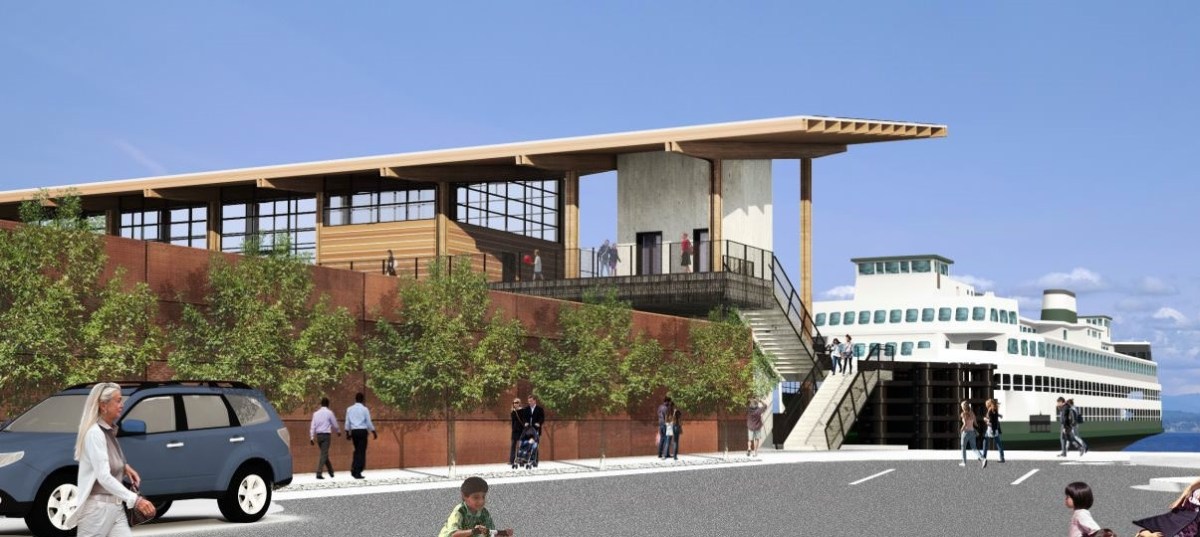
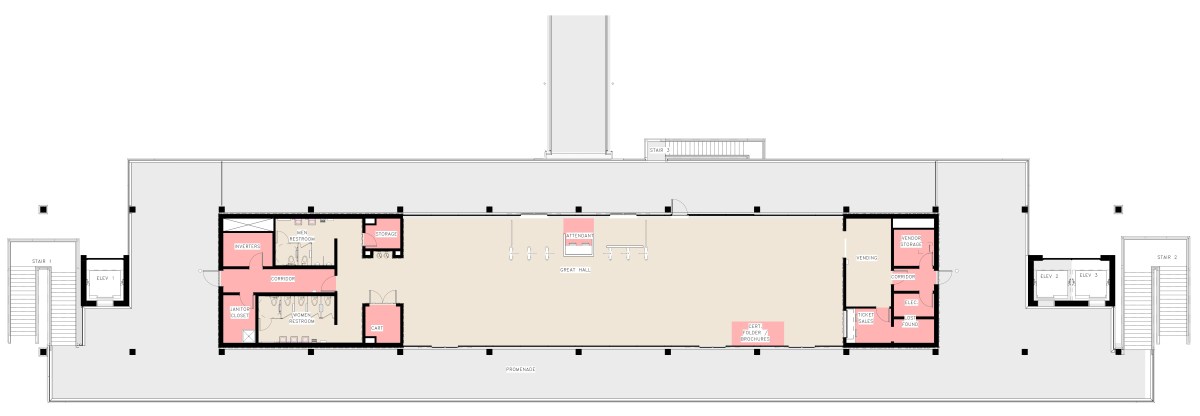
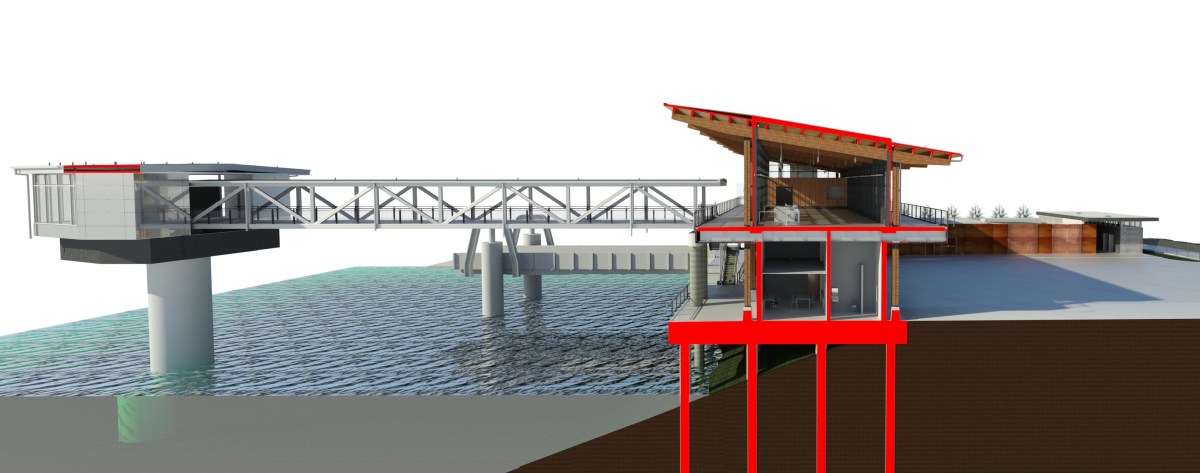
The Mukilteo/Clinton ferry route connects Whidbey Island to the Seattle-Everett metropolitan area and is one of Washington State Ferries’ busiest routes. The current location, which opened in 1957, is highly-congested and inefficient. The new location is slightly east on a brownfield site where a U.S. Air Force fueling station operated during World War II. The 2-level, 24,000 square foot terminal project includes a new passenger building, maintenance building, overhead pedestrian loading, toll booths, and vehicular holding lanes. The total project budget is approximately $167 million. New docking and loading structures will be constructed, as will a waterfront promenade. The site design also creates connections to regional transit systems.
Project Goals
- Improve safety and accessibility for pedestrians, vehicles and bicycles
- Improve vehicular and pedestrian ferry operations
- Ensure multimodal transit connections
- Reduce waterfront congestion
- Provide public access to waterfront
Additional site images – Click thumbnails for slideshow
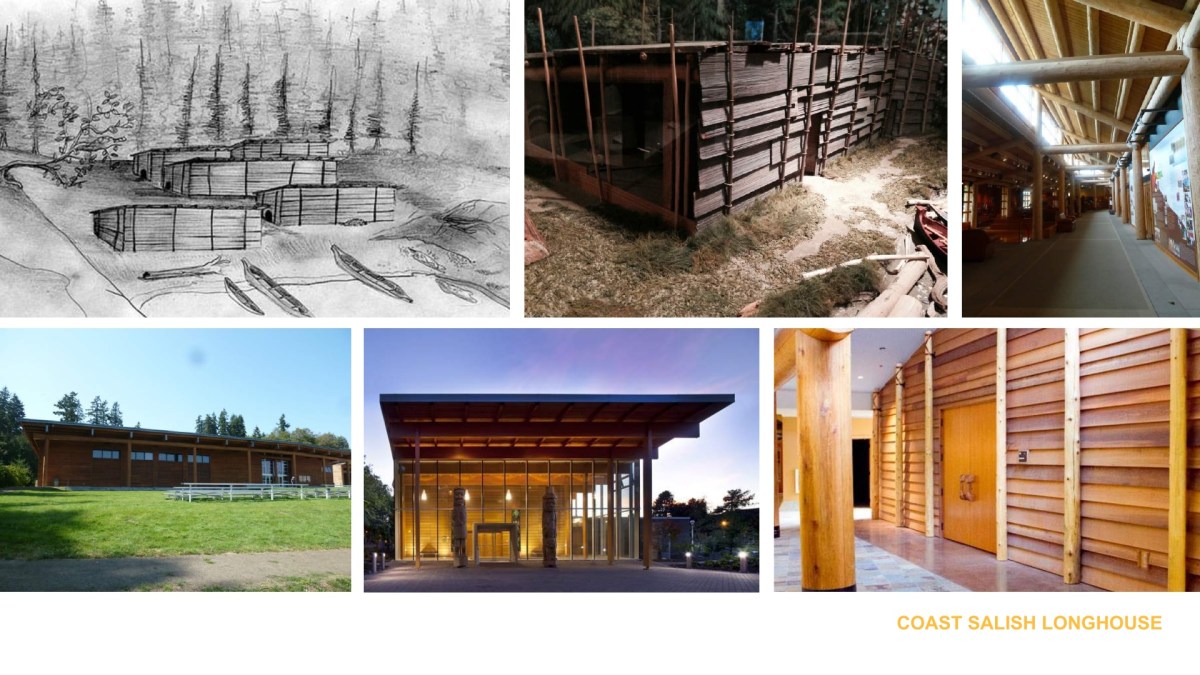
The project’s cultural dimension is one of it’s most intriguing characteristics. The site is culturally and historically significant for many of the region’s Native American tribes. LMN’s design team worked closely with local tribes to better understand their desires for the new building and the site’s history. Some of the project priorities that emerged from this include the following: focus on the water, land, and sustainability; honor the history and people; use the Lushootseed language; incorporate tribal art by local tribal artists; embrace forms of vernacular tribal architecture; include interpretive messages.
Below are examples of vernacular longhouse forms and contemporary buildings using this form. The Mukilteo terminal building embraces this typology and derives it’s shape from these traditional structures.
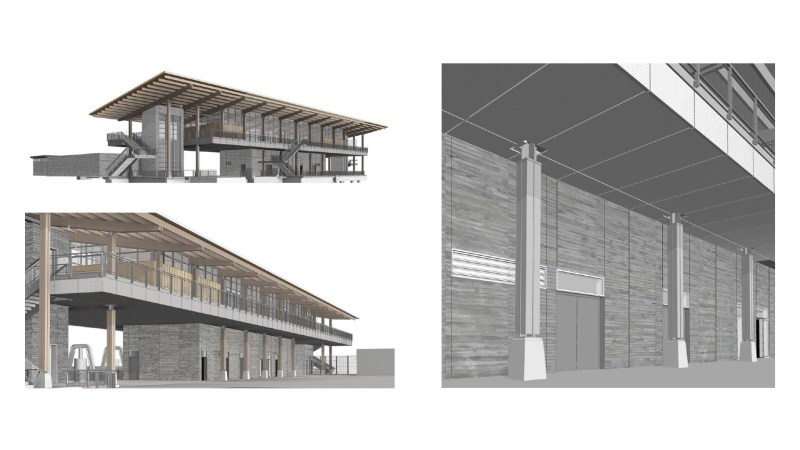
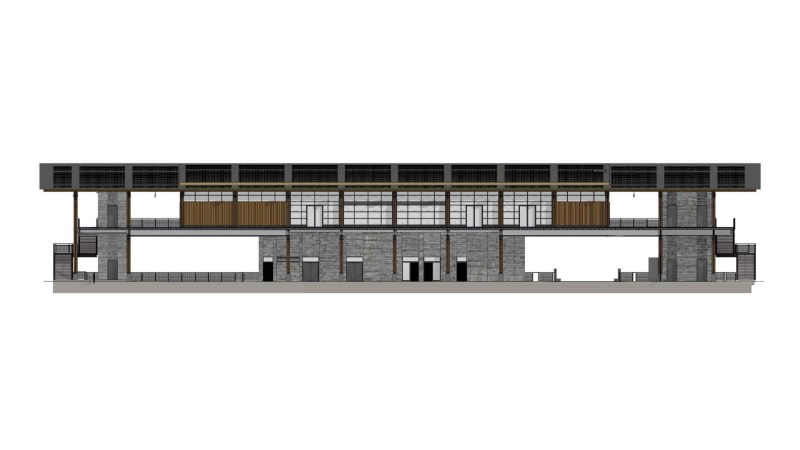
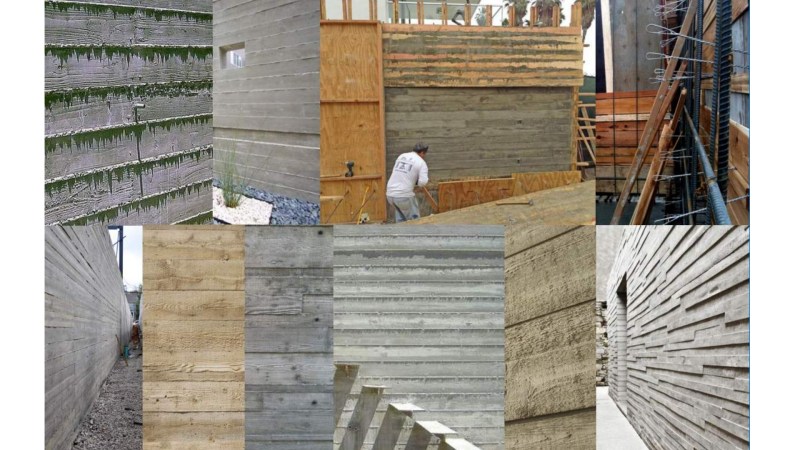
Facade studies for ground level board-formed concrete – Click thumbnail for slideshow
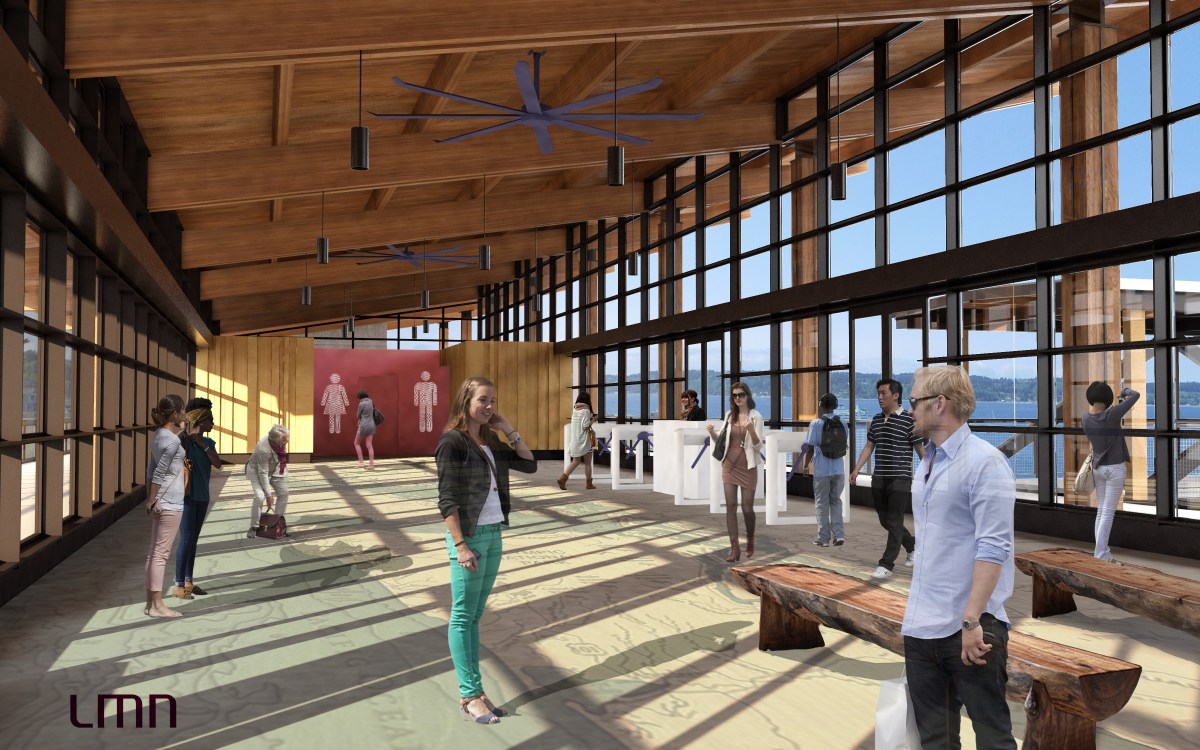
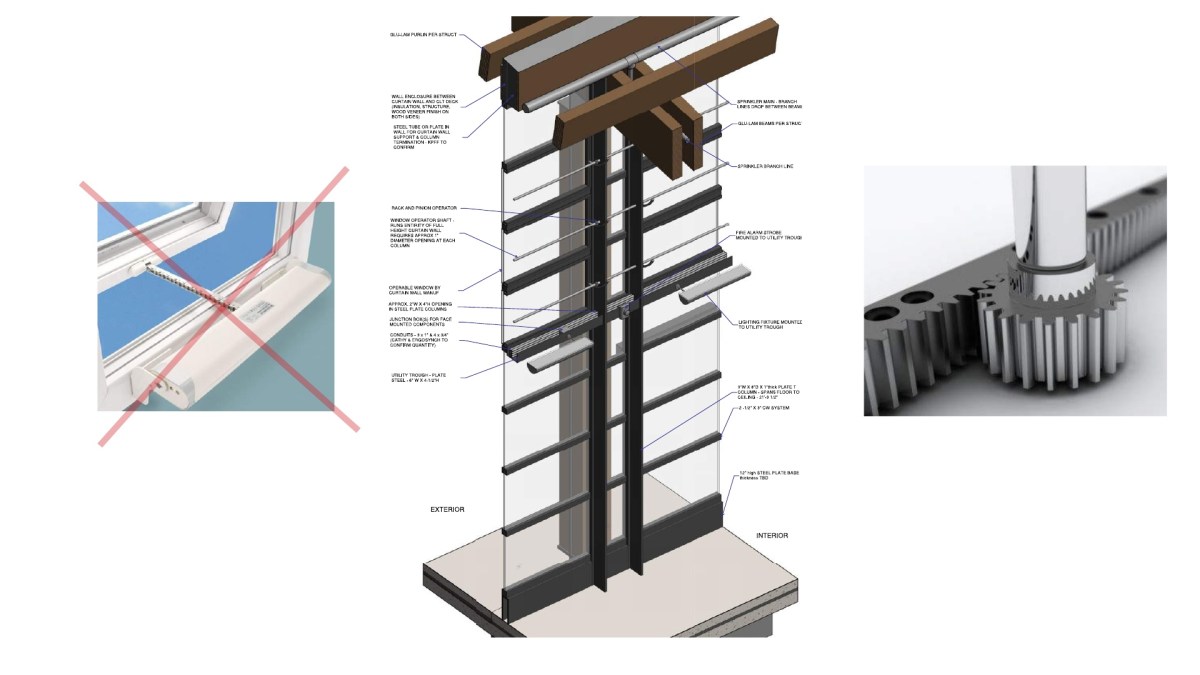
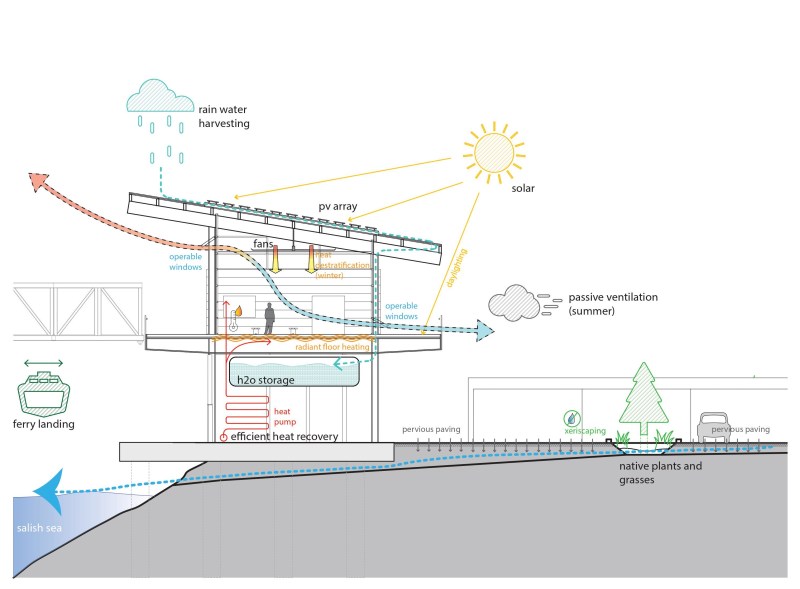
A curtain wall rack-and-pinion system for operable windows allows for passive natural ventilation in the terminal waiting room, reducing mechanical system loads.
Roof and sustainability diagrams – Click thumbnail for slideshow
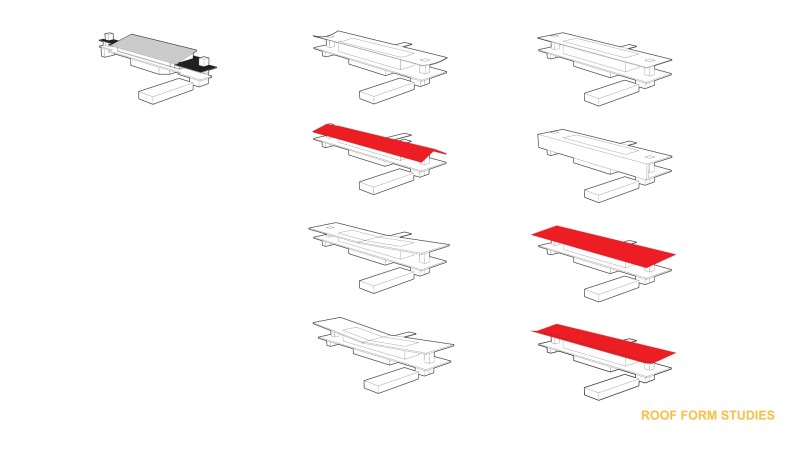
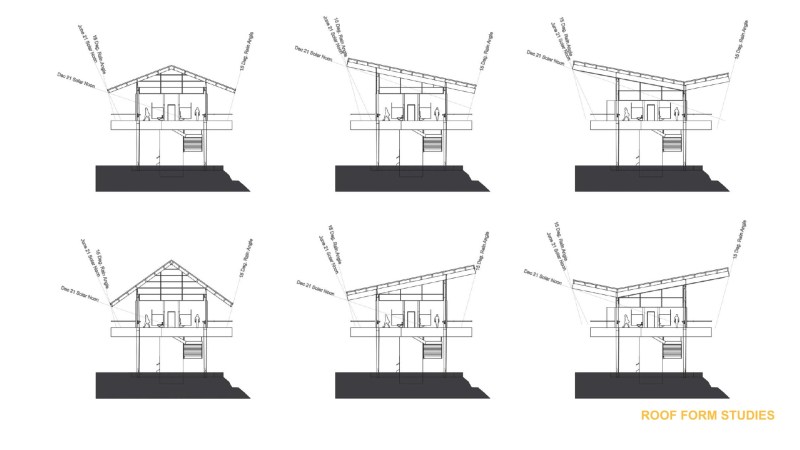
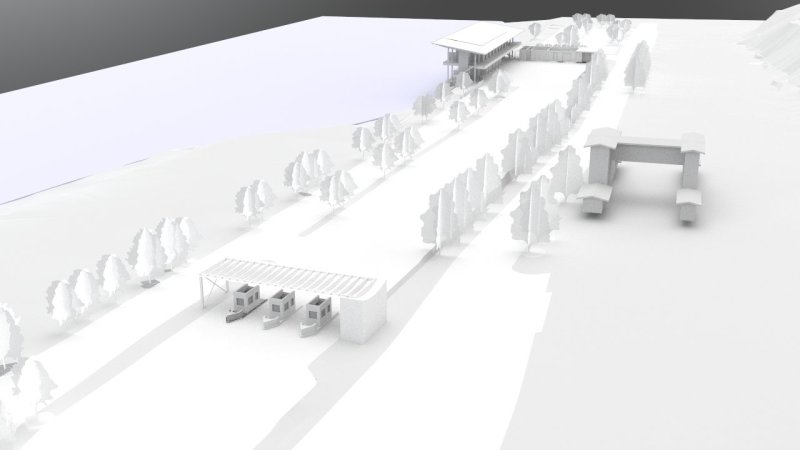
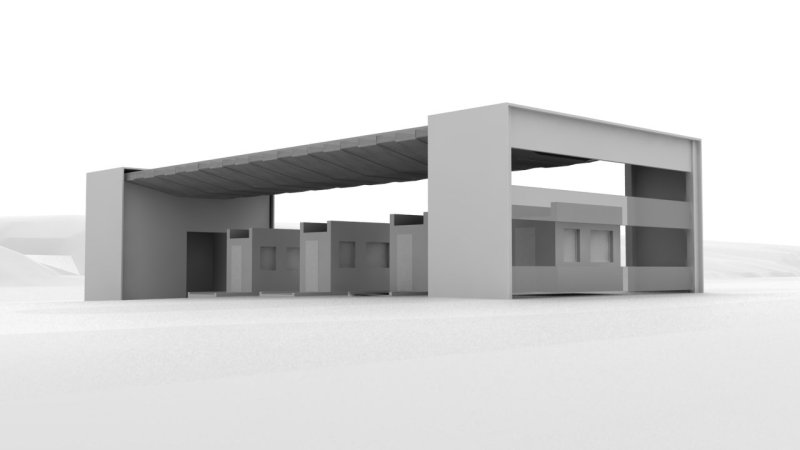
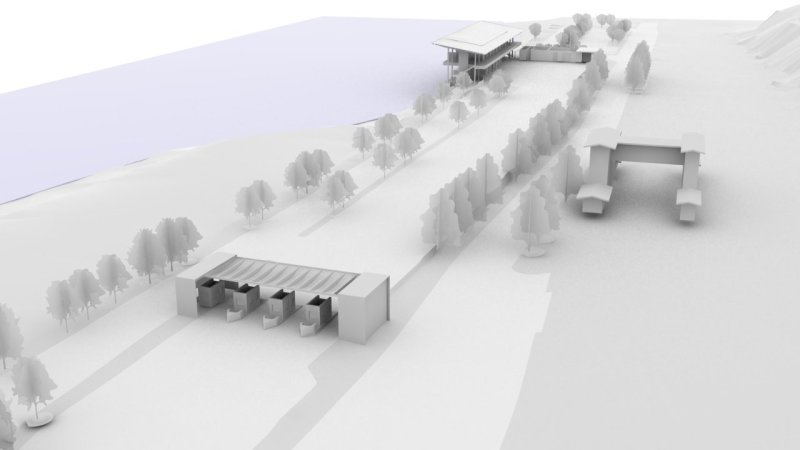
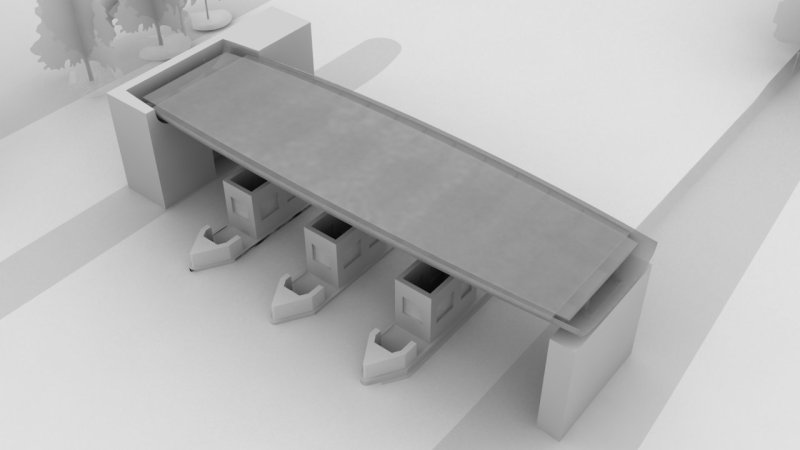
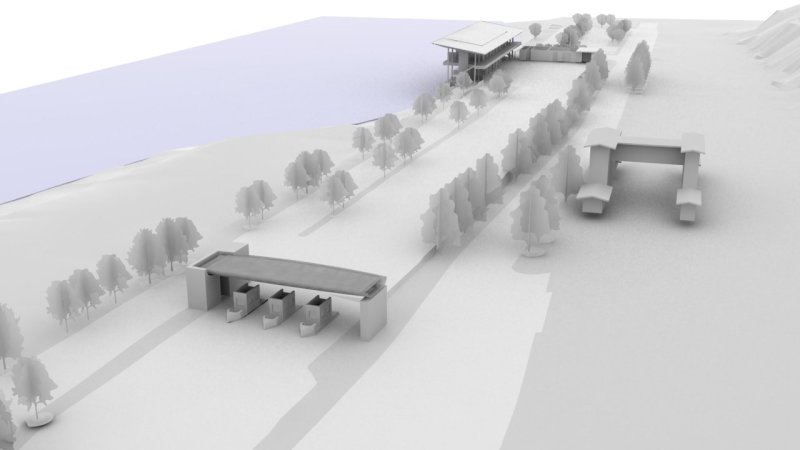
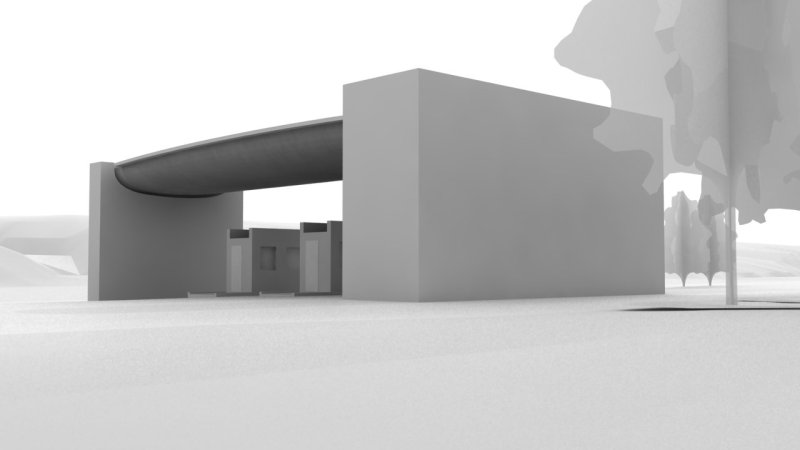
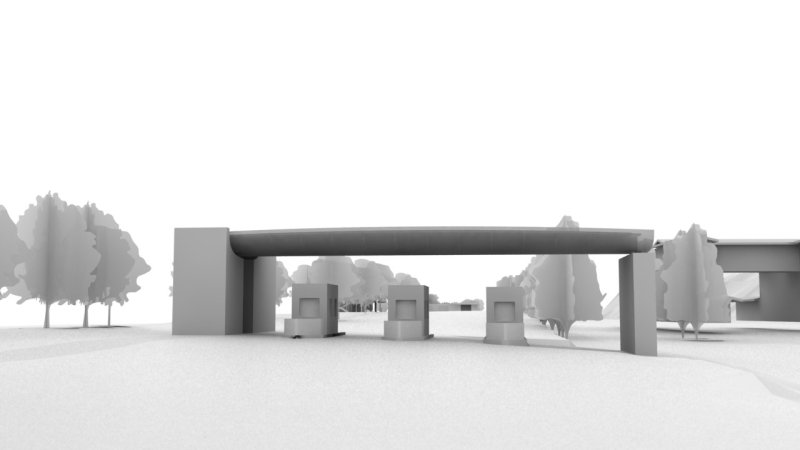
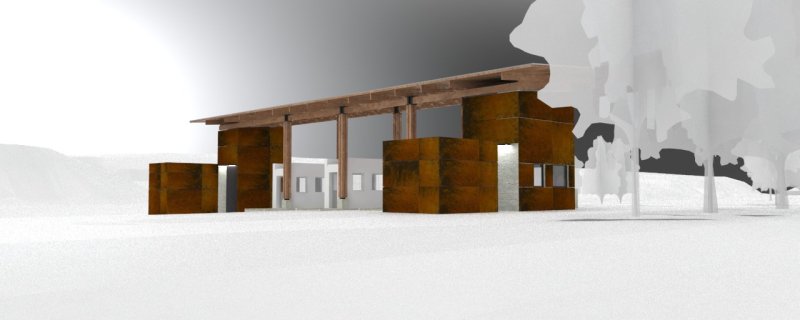
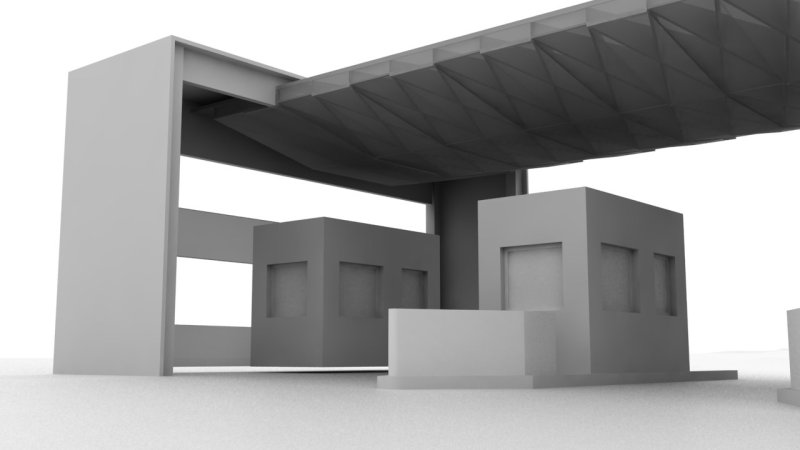
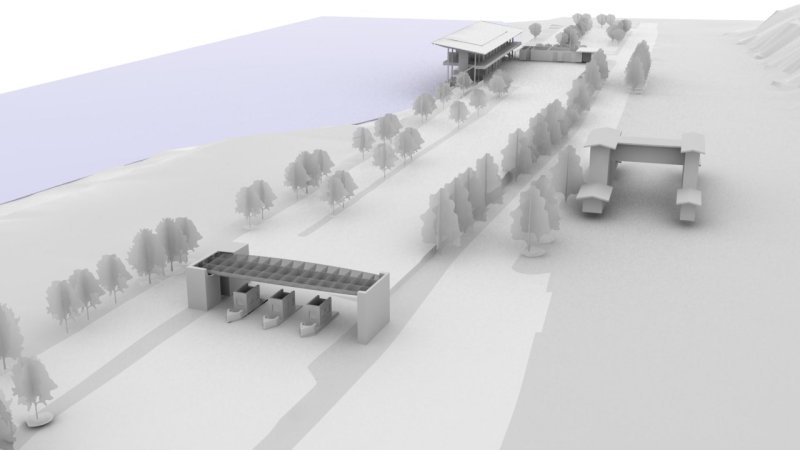
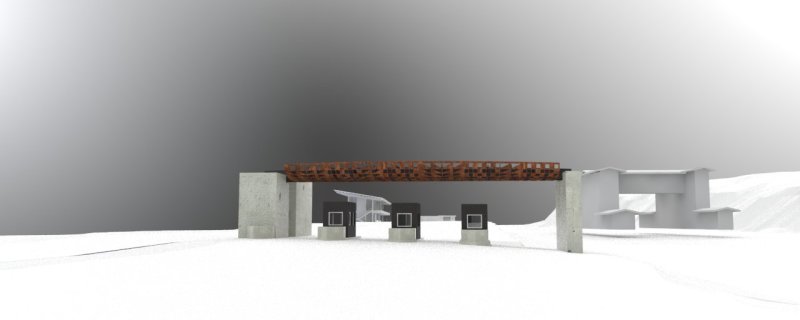
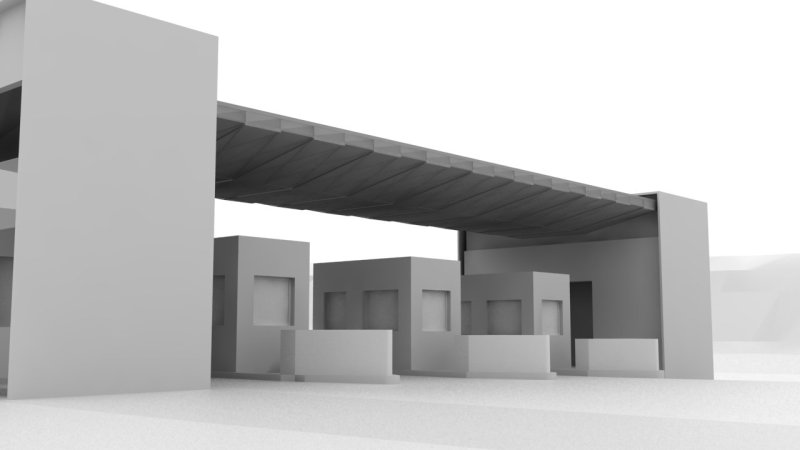
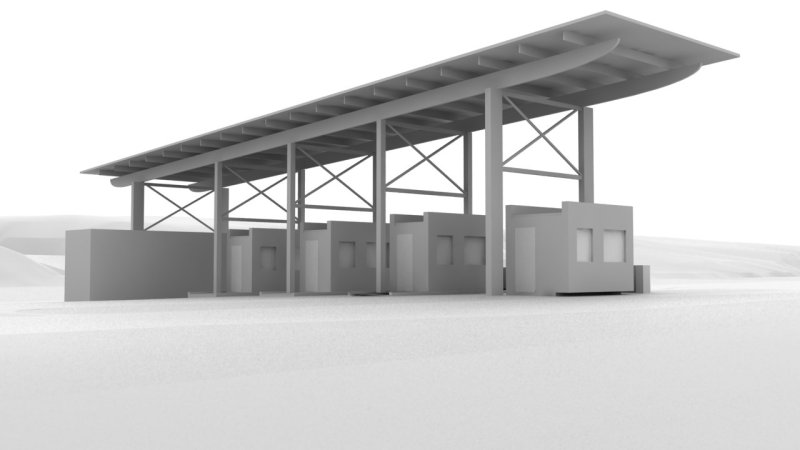
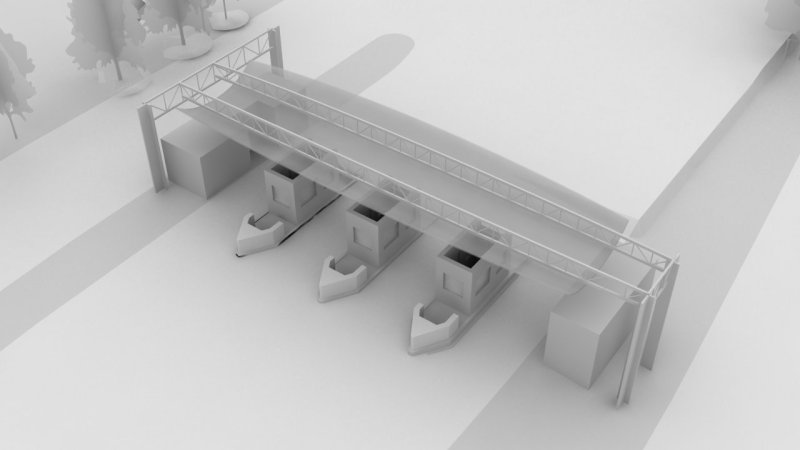
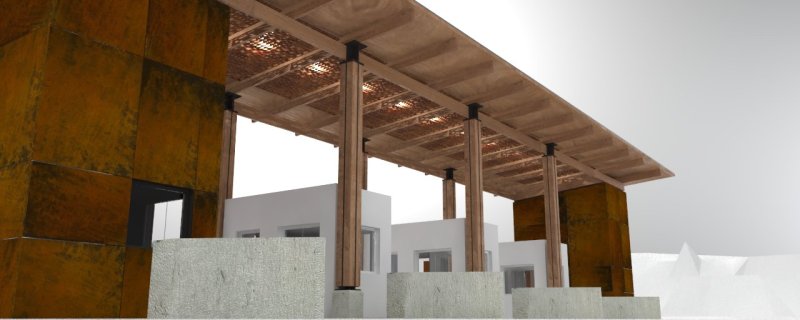
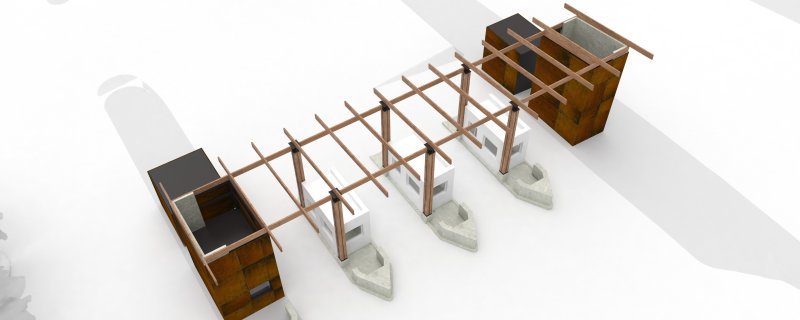
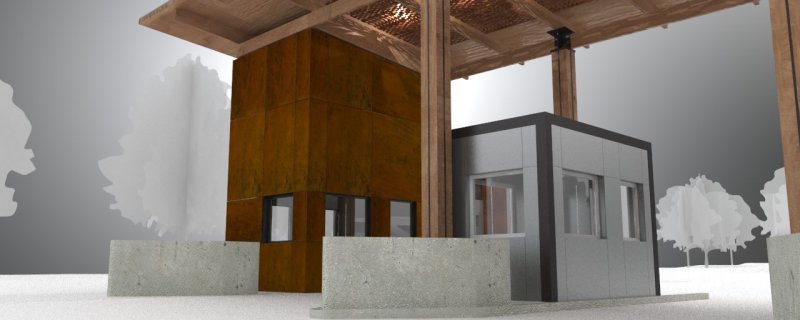
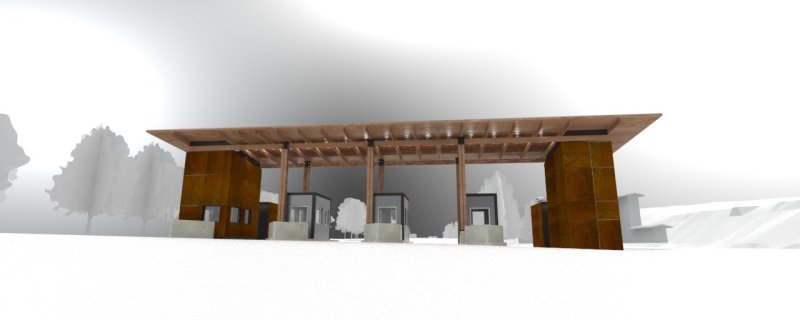
Below is a series of design studies for the entry canopy above the toll booths on-site. The project’s first version included an elevated Supervisor Building, which housed some of the client’s offices. They were elevated above the toll booths in a bridge-like structure spanning the vehicle lanes. In an effort to reduce bring costs, the offices were relocated to the terminal building and a new entry canopy was designed.
Entry canopy design studies – Click thumbnails for slideshow
Owner: Washington State Department of Transportation / Washington State Ferries
Contractor: IMCO Construction
Structural Engineer: KPFF
Mechanical and Electrical Engineer: FSi Engineers

 Studio Gustavo A. López, LLC